
Inhalt: Venue
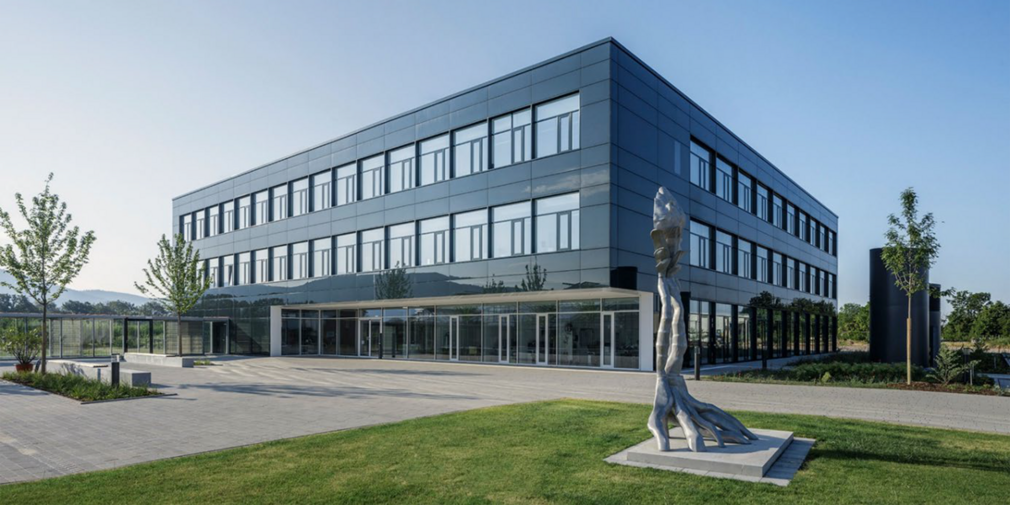
The meeting will take place at the Julius Kühn-Institut (JKI), Institute for Plant Protection in Fruit Crops and Viticulture, in Dossenheim, Germany (https://www.julius-kuehn.de). The JKI is part of the German Federal Research Centre for Cultivated Plants and is located in the heart of the Rhine-Neckar region, one of Germany’s most dynamic scientific and cultural areas.
The JKI is the Federal Research Centre for Cultivated Plants in Germany, serving as an important hub for both applied and basic research on sustainable plant protection.
The Dossenheim Institute has a long history of excellence in agricultural research, with a focus on pest and disease management in fruit crops, and plays a leading role in developing and testing innovative approaches that support the reduction of pesticide use and strengthen biological and ecological methods in crop protection.
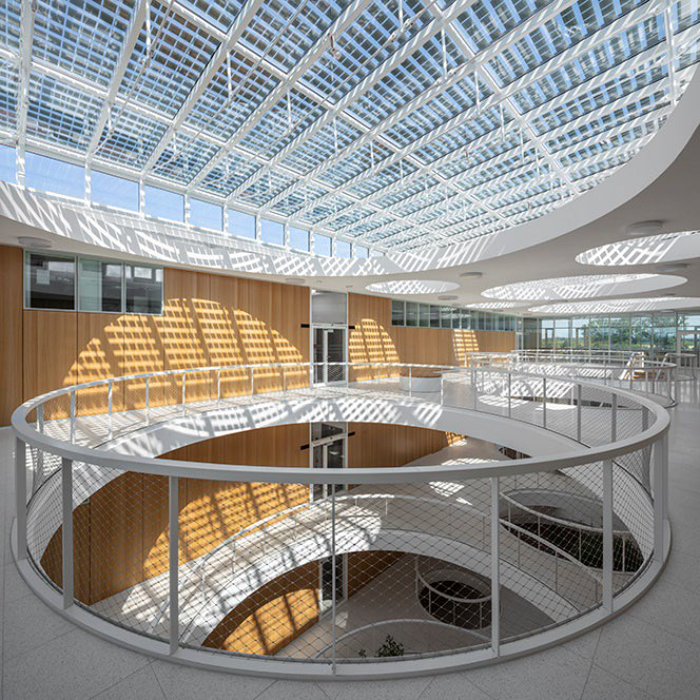
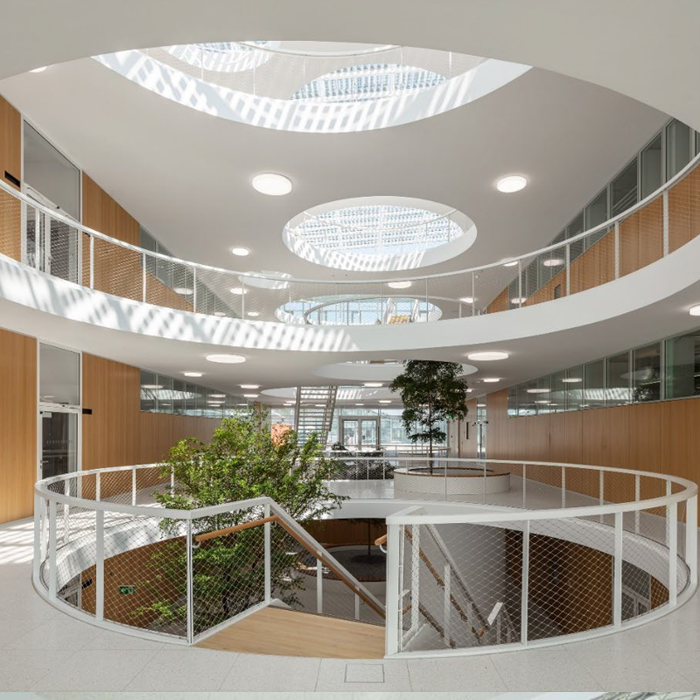
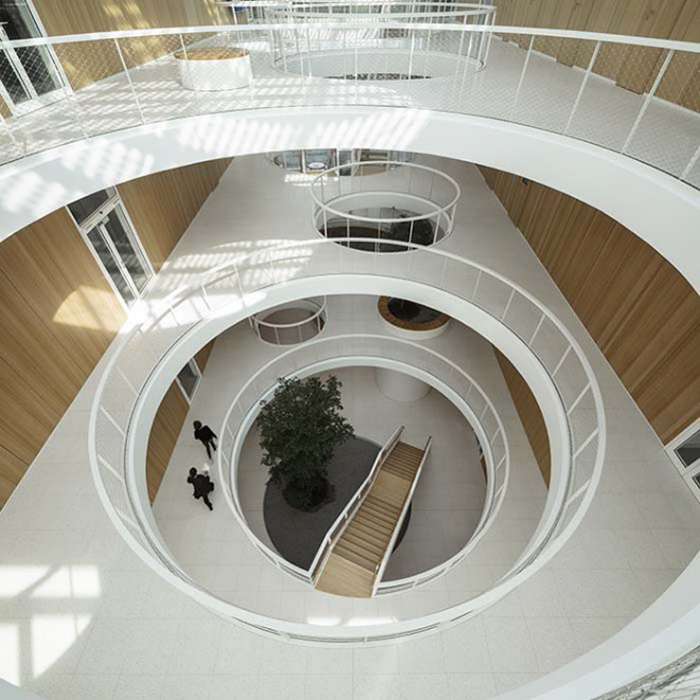
In 2022, the Institute moved into a new, state-of-the-art building in Dossenheim. This modern research facility combines high-tech laboratories, controlled-environment chambers, and advanced greenhouses with inspiring office and meeting spaces. The building was designed with energy efficiency and sustainability in mind, serving as a model facility for modern agricultural research in Germany. Its architecture is both functional and welcoming, offering an excellent environment for international collaboration and scientific exchange.
City of Dossenheim
The city of Dossenheim lies at the edge of the Odenwald hills and is only a few minutes away from Heidelberg, one of Germany’s most beautiful and historic university towns. Heidelberg is world-famous for its romantic castle, picturesque old town, and Germany’s oldest university (founded in 1386). The Neckar River, historic alleys, and vibrant cultural scene make Heidelberg a memorable destination for visitors from around the world.
Impressions of the area
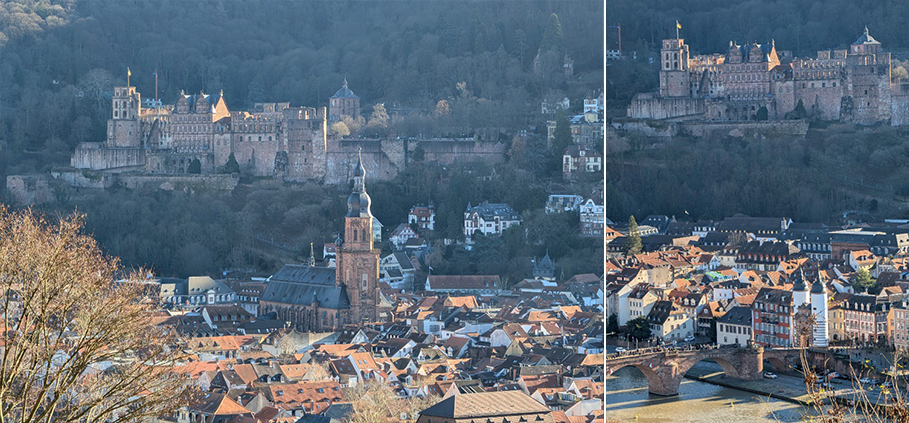
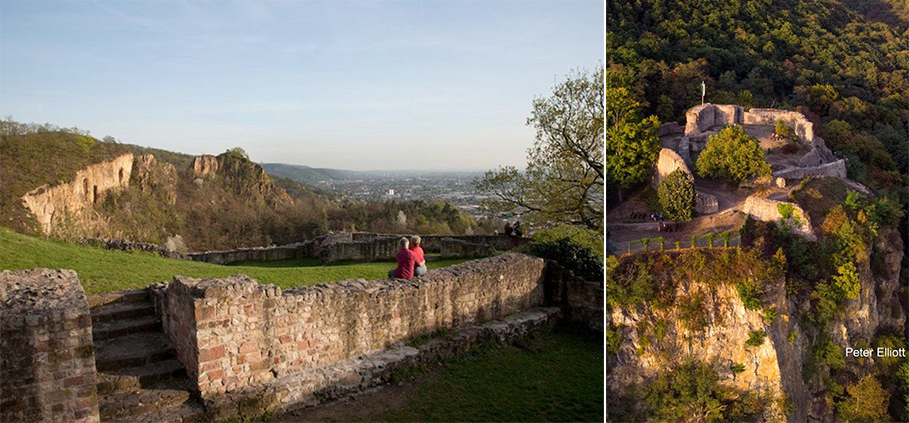
The region is well-connected by air, rail, and road. The international airports of Frankfurt (approximately 60 km) and Stuttgart (approximately 120 km) can be reached conveniently by train or car. High-speed rail services connect Heidelberg with major European cities: Frankfurt in under one hour, Paris in about three hours, and Amsterdam or Brussels in around four hours.
The Rhine-Neckar region is also renowned for its rich wine-growing tradition and culinary heritage. Surrounded by vineyards and the Palatinate wine region just across the Rhine, the area offers both traditional taverns and fine dining, including several Michelin-starred restaurants. Local specialties combine the best of Baden and Palatinate cuisine, complemented by world-class wines and regional beers.
Dossenheim and Heidelberg provide an inspiring scientific environment, a rich cultural backdrop, and excellent transport connections that will make your participation in the meeting a rewarding and memorable experience.
Weather in Dossenheim
In March, the weather in Dossenheim is typically cool and variable, marking the transition from winter to spring. Average daytime temperatures range between 8 °C and 14 °C, while evenings can still be quite chilly. Participants are advised to bring a warm jacket and comfortable shoes, as well as rain protection, since occasional showers are common during this time of year.